info@strappingtoolppt.com
 +91 7604 006 074

Common Strapping Tool Problems & Solutions
10 April, 2026 | BY adminIntroduction: A Packaging Challenge in a Growing Industry
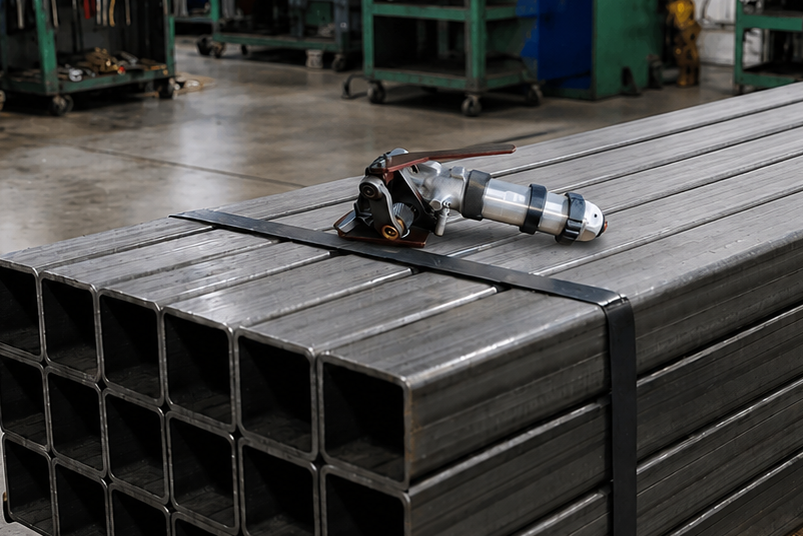
In today’s fast-paced industrial environment, packaging is more than just a final step—it is a critical function that ensures product safety, load stability, and seamless transportation. Industries such as logistics, manufacturing, warehousing, and exports rely heavily on advanced packaging solutions to maintain the integrity of goods throughout handling and transit. Among these, strapping tools play a vital role in securing loads and preventing movement during shipment.
However, as operations scale and production volumes increase, maintaining consistency in packaging performance becomes increasingly complex. This was the exact challenge faced by a rapidly expanding industrial packaging unit. Despite having a well-established infrastructure and a skilled workforce, the company began encountering recurring issues in its strapping operations.
What initially seemed like minor inefficiencies—such as uneven tension, weak seals, and occasional tool breakdowns—gradually escalated into larger operational concerns. Delayed shipments, rising costs, and customer dissatisfaction became frequent outcomes. It became clear that these were not isolated issues but interconnected problems that required a structured and strategic approach.
The company decided to shift from reactive fixes to a systematic method by adopting strapping tool troubleshooting practices to identify root causes and improve operational efficiency. This marked the beginning of a transformation that would redefine their packaging reliability.
The Problem of Inconsistent Tensioning
One of the most critical issues was inconsistent tensioning. While some packages were tightly secured, others were left loose, posing serious risks during transit. Improperly strapped loads could shift, leading to product damage and safety hazards.
Upon investigation, worn tension wheels, incorrect tool settings, and lack of calibration were identified as the primary causes. Operators were also unaware of the ideal tension levels for different load types.
To resolve this, the company replaced worn components, recalibrated tools, and conducted targeted operator training. By standardising tensioning techniques and selecting the appropriate strap materials, they achieved uniform load security and significantly improved packaging consistency.
Weak Sealing Affecting Load Security
Another pressing concern was weak or broken seals, which compromised shipment safety and affected customer trust. The root cause was traced back to worn sealing jaws, improper pressure settings, and misaligned components.
Corrective measures included replacing damaged parts, realigning tools, and setting appropriate pressure levels based on strap specifications. Regular inspection routines were also introduced.
These improvements strengthened seal integrity, ensuring that packages remained secure throughout transit while reducing losses and returns.
Operational Delays Due to Strap Feeding Issues
As production demands increased, strap feeding problems began to disrupt workflow. Dust accumulation, debris, and misaligned components caused frequent interruptions.
The company implemented routine cleaning schedules, proper lubrication, and alignment checks to restore smooth strap movement. These simple yet effective steps eliminated bottlenecks and improved overall efficiency.
Unexpected Tool Jamming and Breakdowns
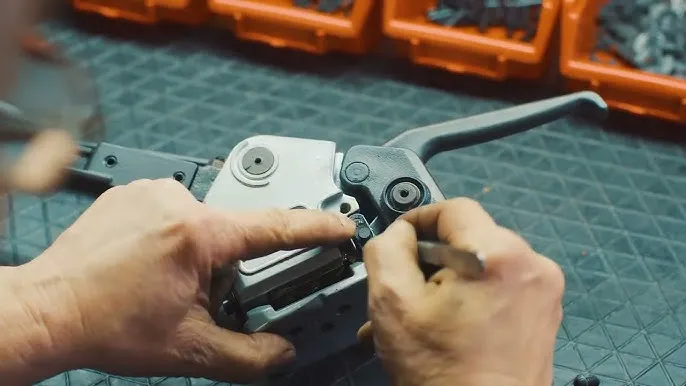
During peak operations, sudden tool jamming caused major disruptions. A lack of lubrication and excessive wear of internal components were identified as the main reasons.
To address this, a preventive maintenance schedule was introduced. Tools were serviced regularly, and operators were trained to identify early warning signs. This proactive approach reduced breakdowns and ensured uninterrupted production.
Power Issues Impacting Performance
The use of both battery-operated and pneumatic tools introduced additional challenges. Battery tools suffered from improper charging practices, while pneumatic tools faced inconsistent air pressure.
By standardising battery maintenance and optimising air supply systems, the company achieved stable tool performance and consistent output quality.
Wear and Tear from Continuous Usage
Continuous industrial usage inevitably leads to wear and tear. Components such as cutters, sealing jaws, and tension wheels began to degrade over time.
Recognising this, the company implemented a structured inspection and replacement program. This ensured consistent performance and extended the lifespan of their tools.
Incorrect Strap Selection Leading to Failures
Another overlooked issue was the use of inappropriate strap materials. Incorrect selection resulted in poor tensioning and weak sealing.
The company analysed its packaging requirements and matched the right strap types—PP, PET, and steel—with suitable tools. This optimisation significantly improved load stability and reduced failures.
Impact of Harsh Environmental Conditions
Operating in a challenging industrial environment exposed tools to dust, moisture, and temperature fluctuations, affecting performance and durability.
To counter this, the company adopted robust equipment designed for such conditions and implemented proper storage and maintenance practices. These measures ensured consistent performance even in demanding environments.
Solution: Implementing Best Practices
With a clear understanding of the root causes, the company adopted a structured strategy that included regular maintenance, operator training, and the use of high-quality materials.
The integration of these best practices, along with consistent strapping tool troubleshooting, helped minimise downtime, improve efficiency, and maintain uniform packaging quality across operations.
Partnering with Pneumatic Power Tools & Co.
To further strengthen its packaging operations, the company partnered with Pneumatic Power Tools & Co., a trusted name in industrial strapping solutions. Known for its durable, precision-engineered tools, the company brings together advanced manufacturing, practical design, and strong after-sales support.
What sets Pneumatic Power Tools & Co. apart is its focus on real-world industrial challenges—offering tools that are not only high-performing but also easy to maintain and operate in demanding environments. Their expertise in strapping tool troubleshooting and commitment to continuous improvement enabled the packaging unit to achieve greater operational stability.
This collaboration ensured access to reliable equipment, expert guidance, and timely support—creating a strong foundation for long-term efficiency and performance.
Conclusion: A Transformation through Smart Troubleshooting
The journey of this industrial packaging unit highlights the importance of a proactive and systematic approach to operational challenges. By identifying root causes, implementing preventive strategies, and investing in the right tools and training, the company successfully transformed its packaging processes.
Today, with improved efficiency, reduced downtime, and enhanced product safety, the company stands as a benchmark in industrial packaging excellence. This case clearly demonstrates that with the right mind set and structured approach, even complex challenges can be effectively resolved—paving the way for sustainable growth and success.